
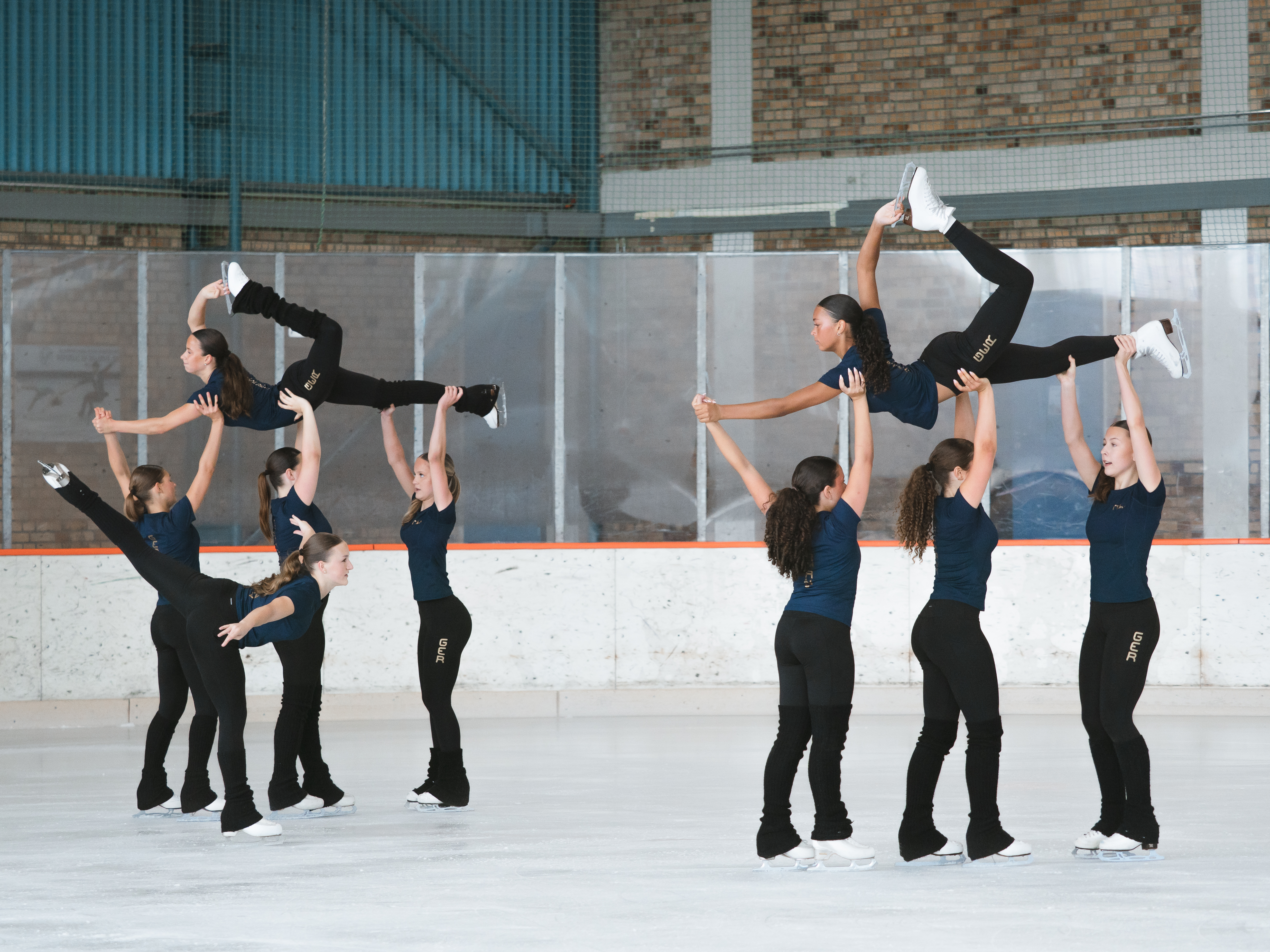
Synchro9’s journey towards the Olympic stage gathered further momentum in Berlin, Germany, as more than 50 coaches and officials from 21 countries came together to learn, exchange ideas and help shape the future of Synchronized Skating’s exciting new format.
Held in early September, the ISU Synchro9 Development Seminar for Coaches and Officials brought together a remarkable range of experience, from coaches working with World Championship-level teams in established Synchronized Skating nations to representatives from countries taking their first steps in the discipline.
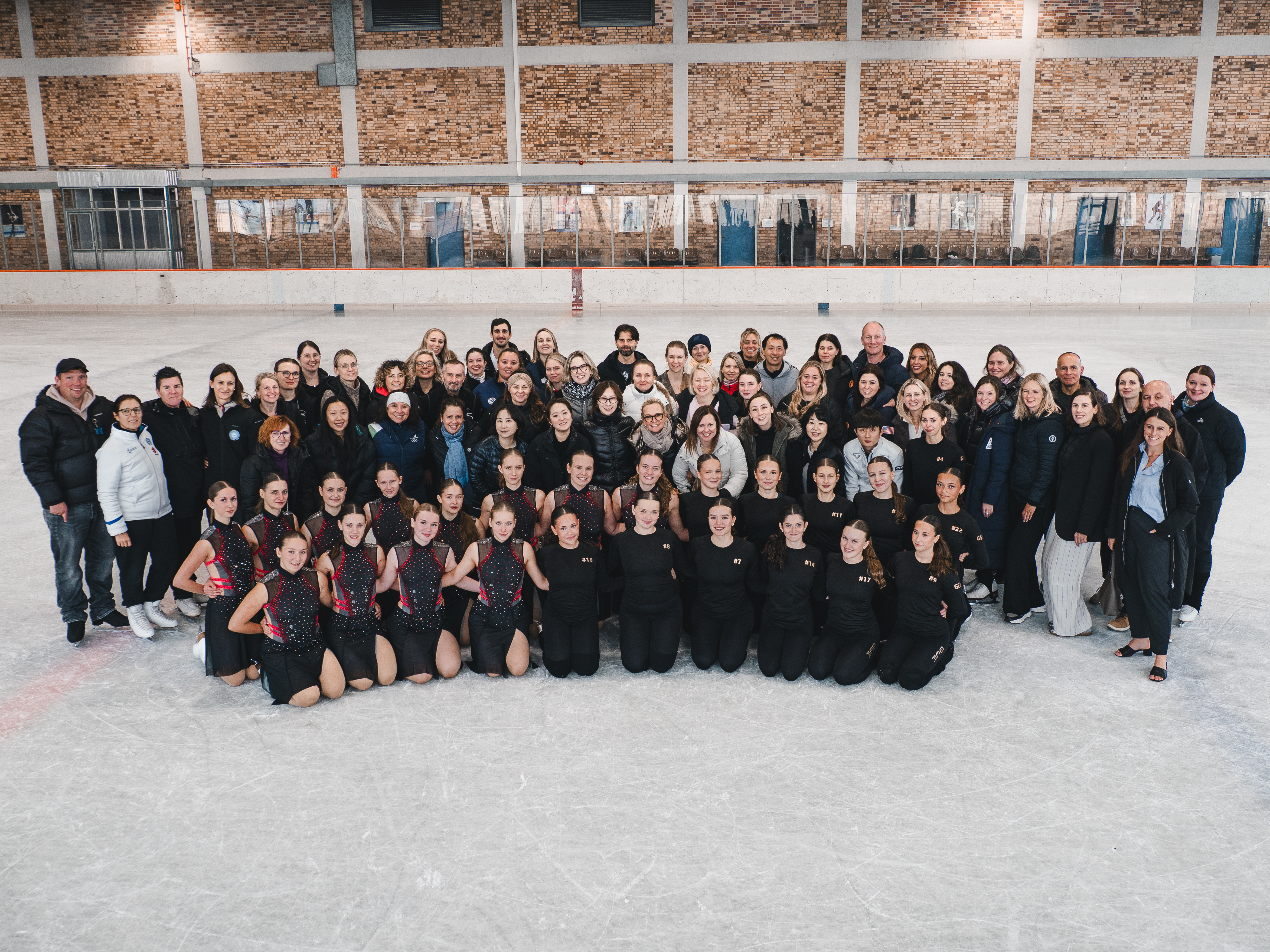
Group picture of participants to the Synchro9 Development Seminar in Berlin, Germany ©ISU
Organized by the ISU Synchronized Skating Technical Committee with the support of the ISU Development team, the three-day seminar combined education, discussion and practical testing, covering choreography, sporting rules, judging requirements, technology and the specific characteristics of the Synchro9 format. Two demonstration teams took to the ice, allowing participants to explore the technical and creative possibilities of Synchro9.
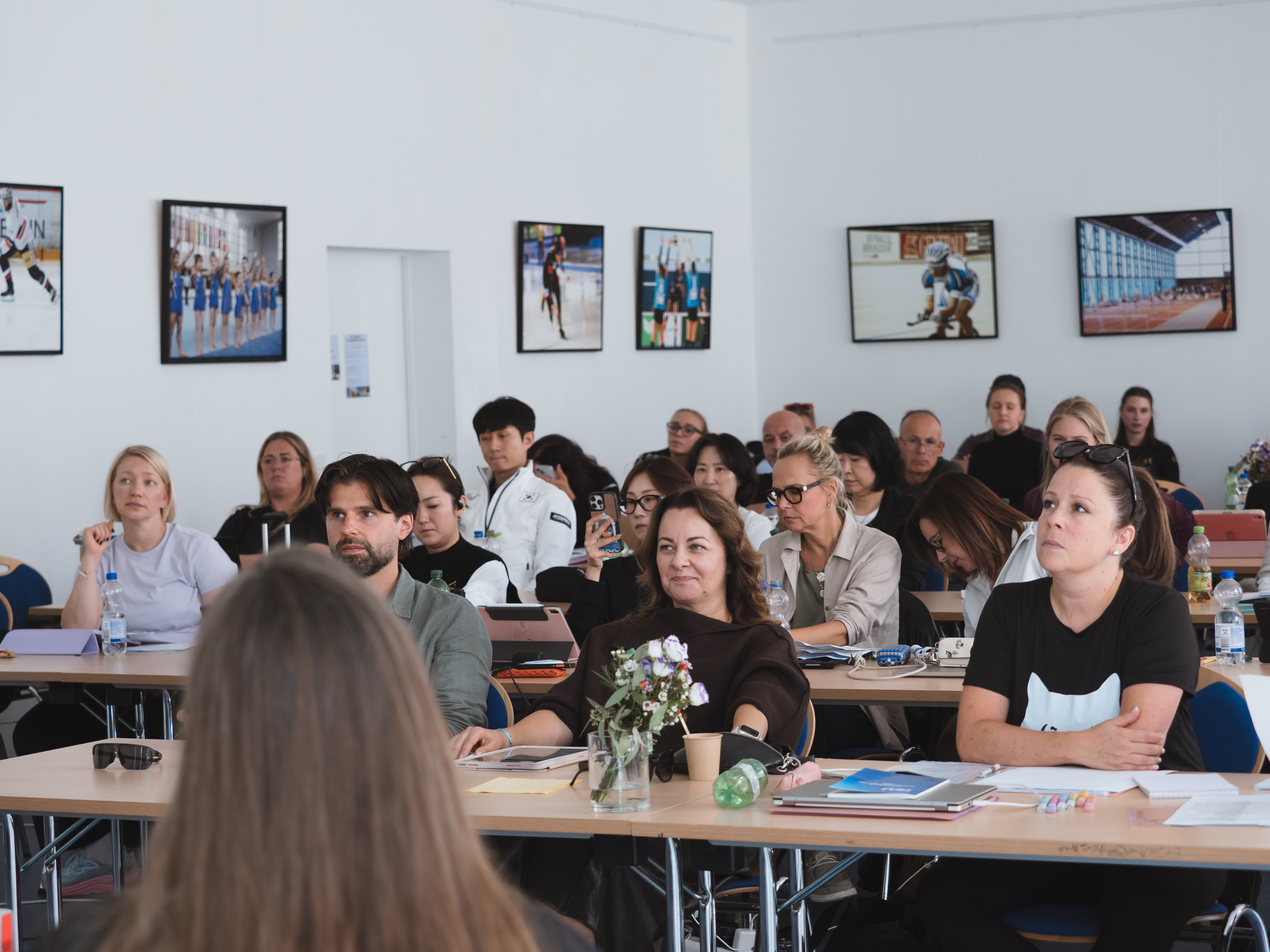
Classes held during the Synchro9 Development Seminar in Berlin, Germany ©ISU
Sharing ideas, expertise and feedback were at the heart of the seminar, giving participants an active role in shaping Synchro9’s development. With coaches, officials, teams, technical experts and technology partners working side by side, the seminar was, at its core, a testament to the teamwork that defines Synchronized Skating.
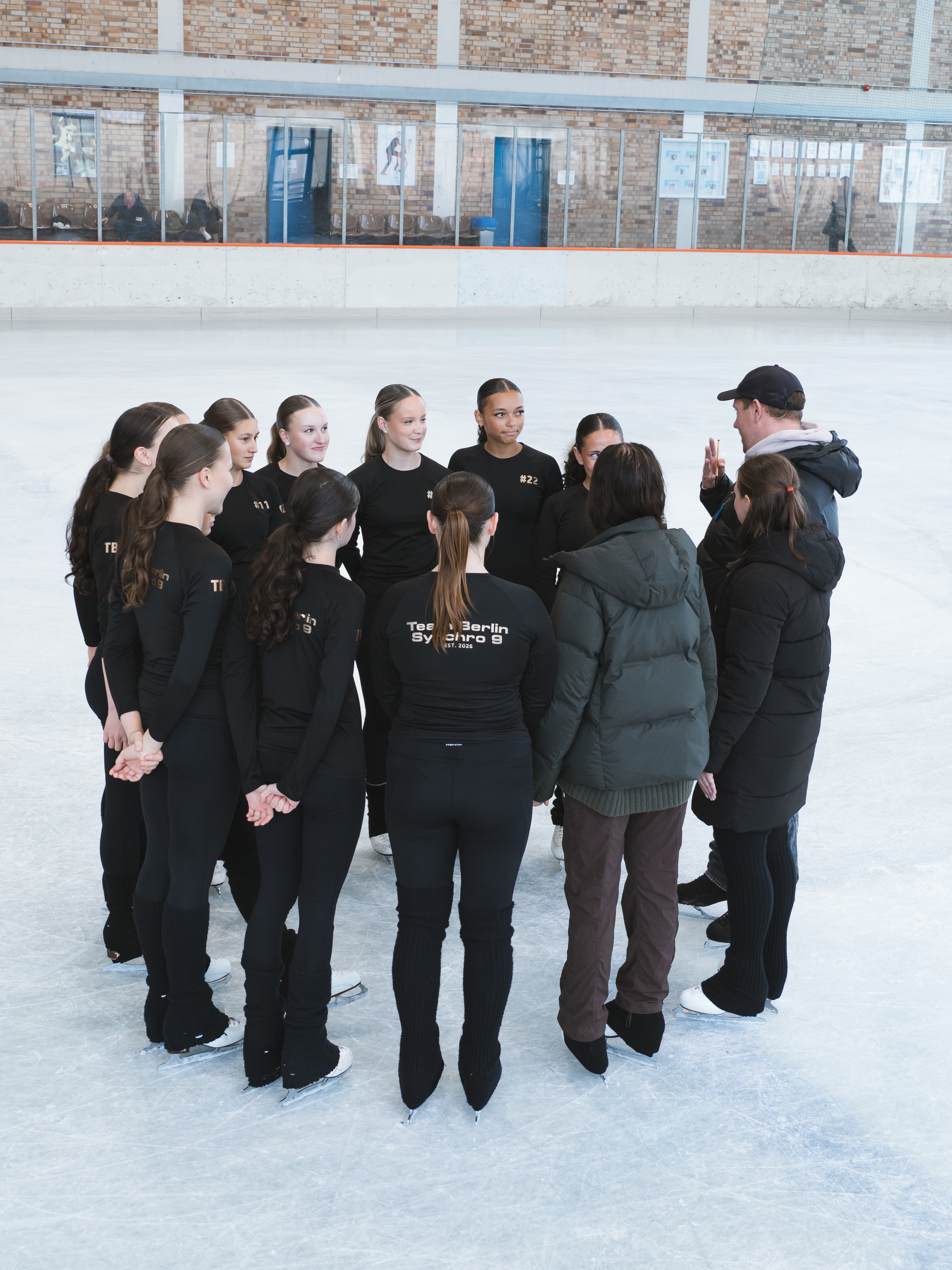
Training session with Coaches Gert Hofmann, Vanessa Henke-Hahn, Henni Wessmann (GER) during the Synchro9 Development Seminar in Berlin, Germany ©ISU
“What made Berlin particularly valuable was that we could bring all the different perspectives together,” said Nina Bischoff, Chair of the ISU Synchronized Skating Technical Committee.
“We had coaches from World Championship-level teams alongside coaches from countries taking their first steps in Synchronized Skating. At the same time, we were able to work with teams on the ice and test the new ISU Judging System live together with Swiss Timing. This combination of education, practical testing and open exchange gave us extremely valuable feedback for the continued development of Synchro9.”
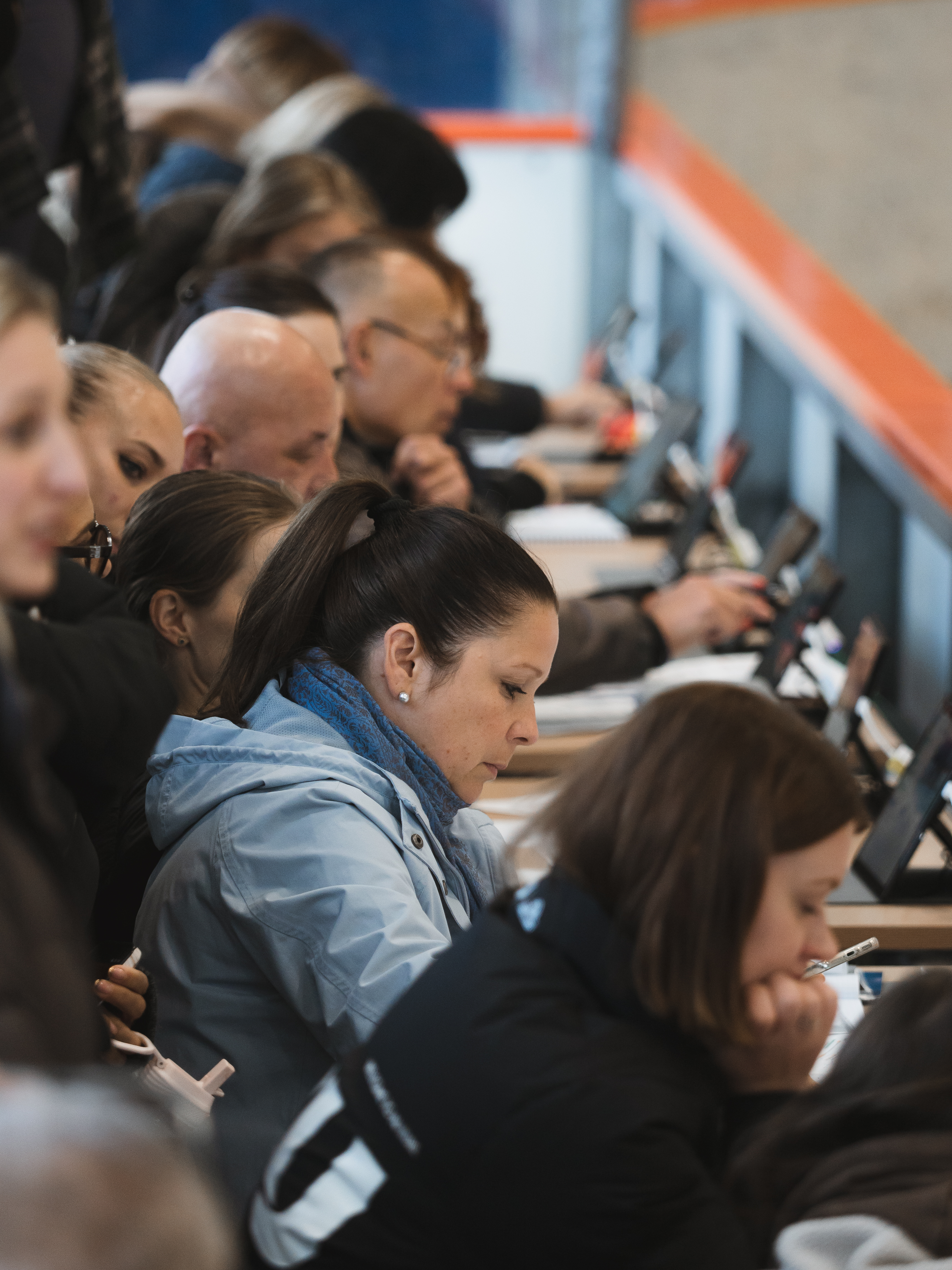
Judging System testing during the Synchro9 Development Seminar in Berlin, Germany ©ISU
Featuring nine skaters and one reserve per team, Synchro9 combines the precision, artistry and teamwork of Synchronized Skating with a faster-paced competition structure, knockout rounds and an accessible scoring system designed to engage new audiences.
Its smaller team size provides a more accessible entry point for countries where forming a traditional Synchronized Skating team has been challenging, creating new opportunities for athletes, coaches and Members. And this was one of the key objectives of this seminar: to connect the established Synchronized Skating community with emerging nations, while creating pathways for the discipline to grow globally.
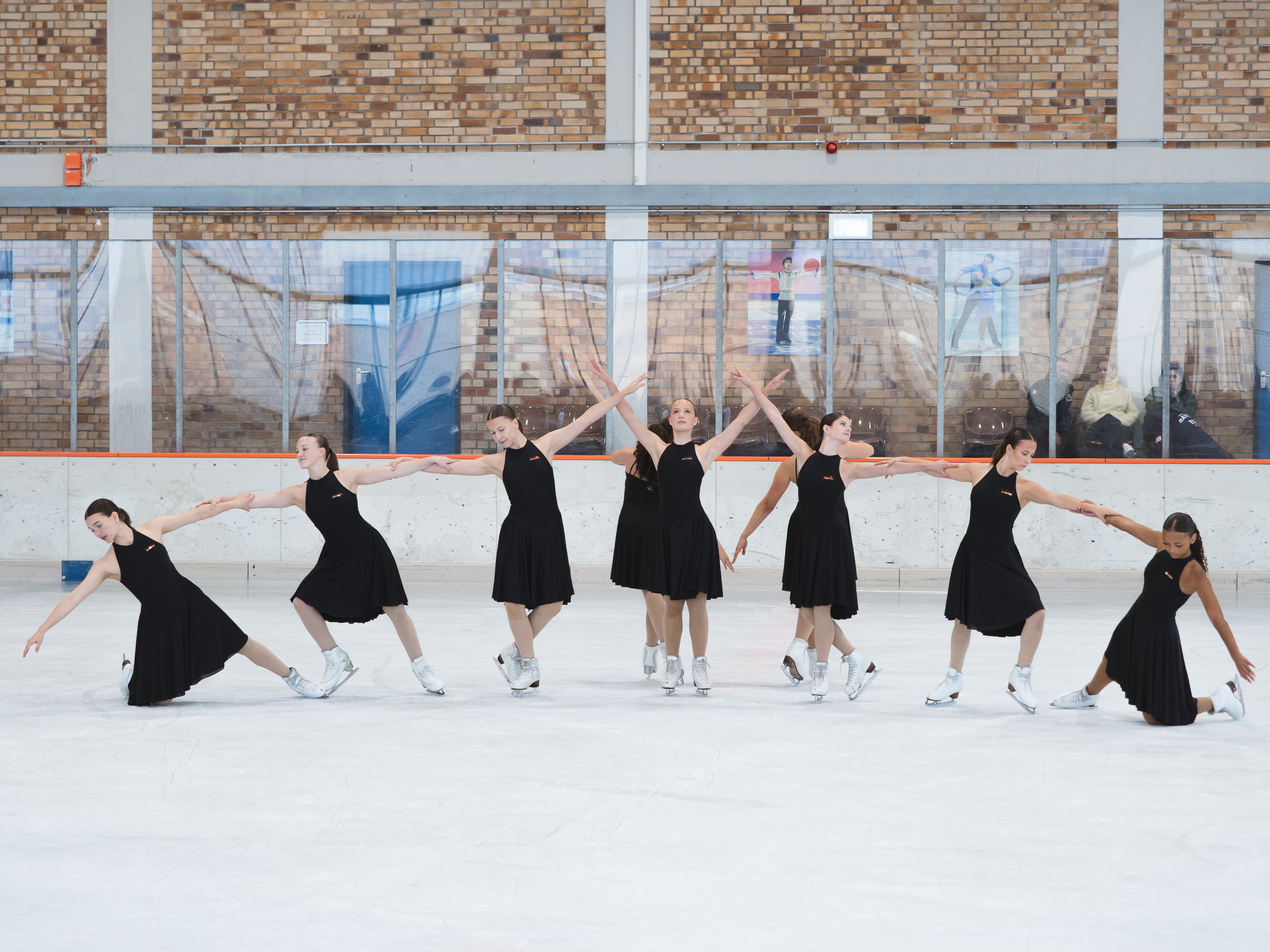
Team Synchro9 Berlin doing a demo performance during the Development Seminar held in Berlin, Germany ©ISU
The Berlin seminar marks an important step on Synchro9’s road towards the world and Olympic stages. Synchro9 will make its first appearance on an Olympic stage at the Winter Youth Olympic Games Dolomiti Valtellina 2028 before making its senior Olympic debut at the Olympic Winter Games Alpes 2030.
Before then, history will be made at Nottingham27. From March 27 to April 4, 2027, the city will host an extraordinary nine-day celebration bringing together four Synchronized Skating World Championships, including the first-ever ISU Synchro9 World Championships.
The work undertaken in Berlin will help teams build a strong foundation for these historic milestones, while creating new opportunities to grow Synchronized Skating collaboratively around the world.
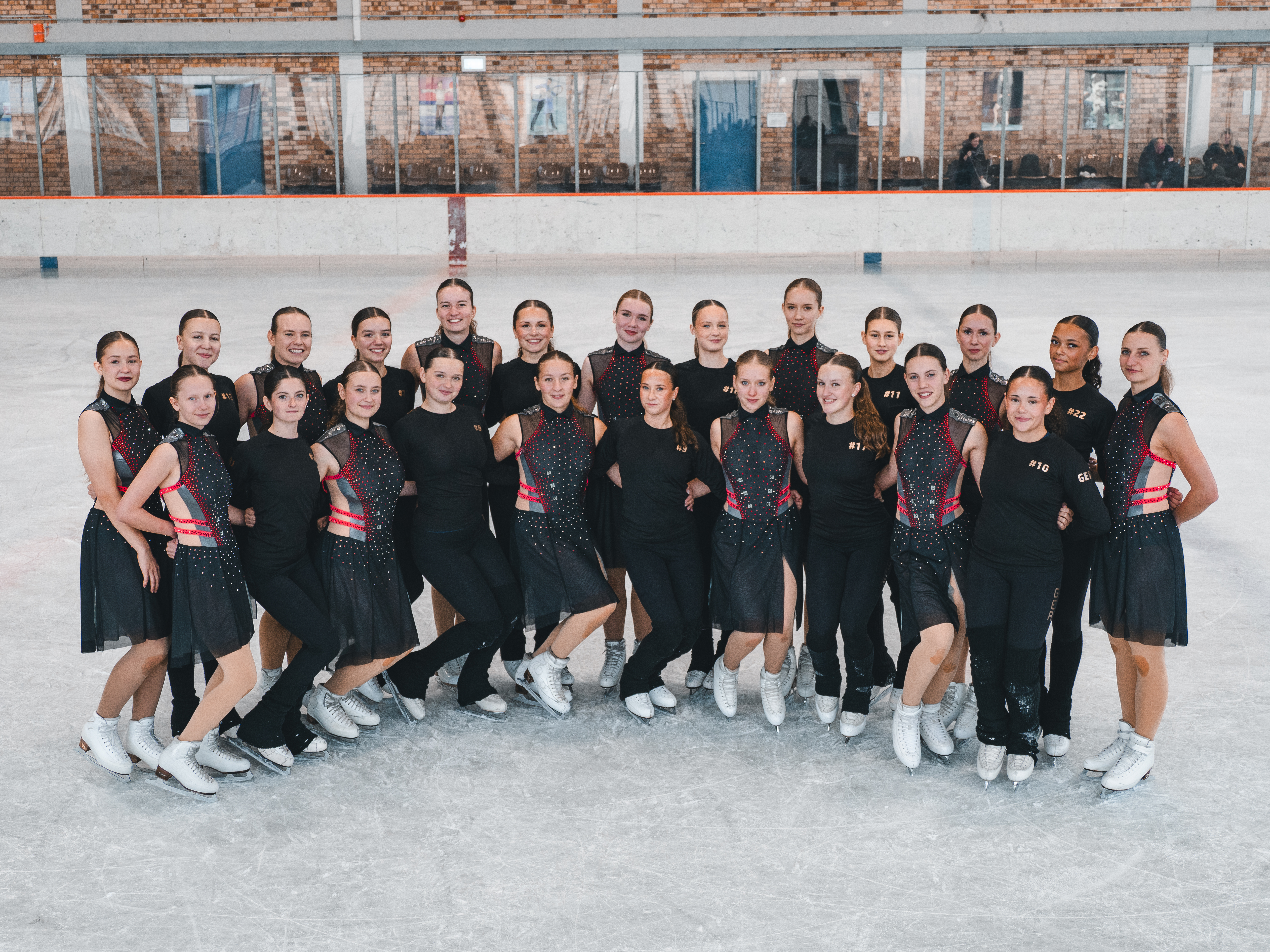
Team Synchro9 Berlin and Team Skating Graces (Chemnitz) posing during the Development Seminar held in Berlin, Germany ©ISU